ZL-PAD Series Foot Pads
Robotic Foot Pad Solutions for Quadruped Robot Dogs
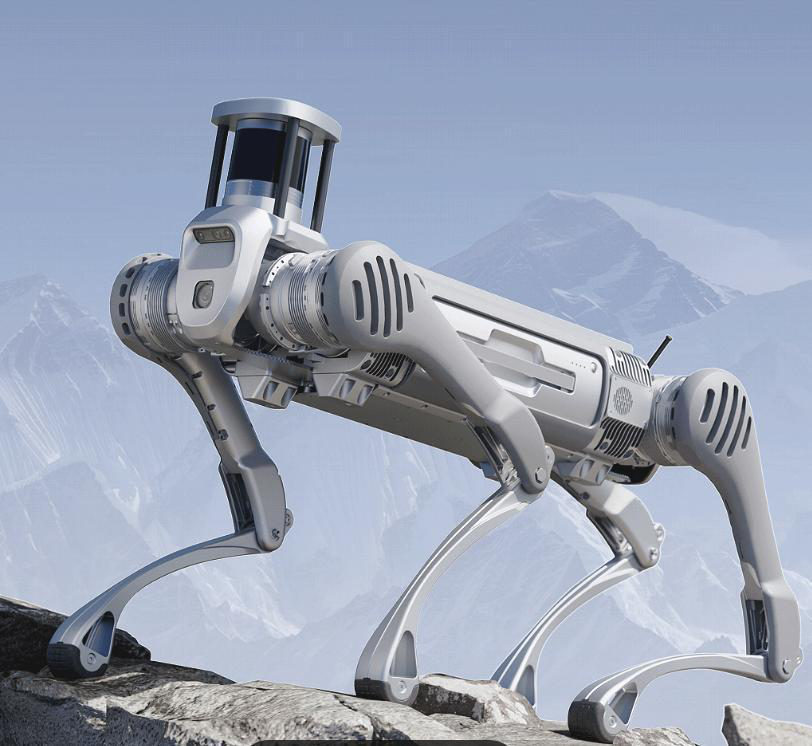
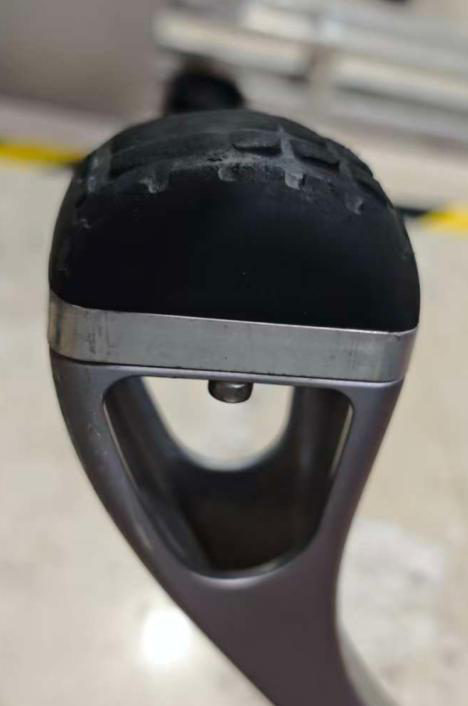
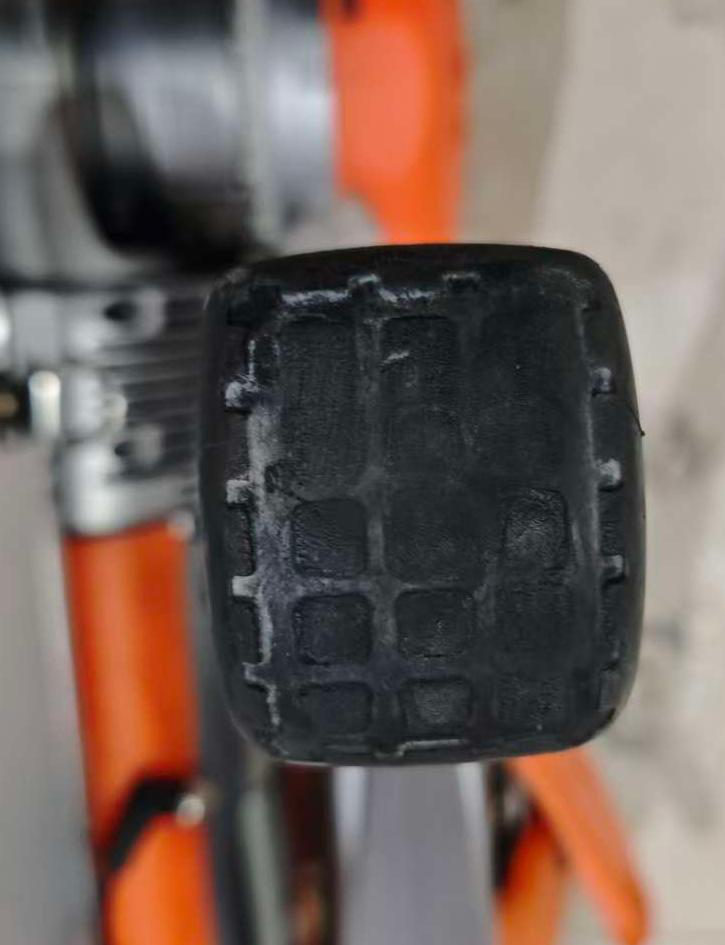
Robot Dog - Foot Components
Foot pad functions
Cushioning & shock absorption, enhanced grip
Role of the foot pads
Mitigate impact loads, increase friction, quiet operation and protection
Current problems
High load with heavy impact, poor wear resistance, easy slipping
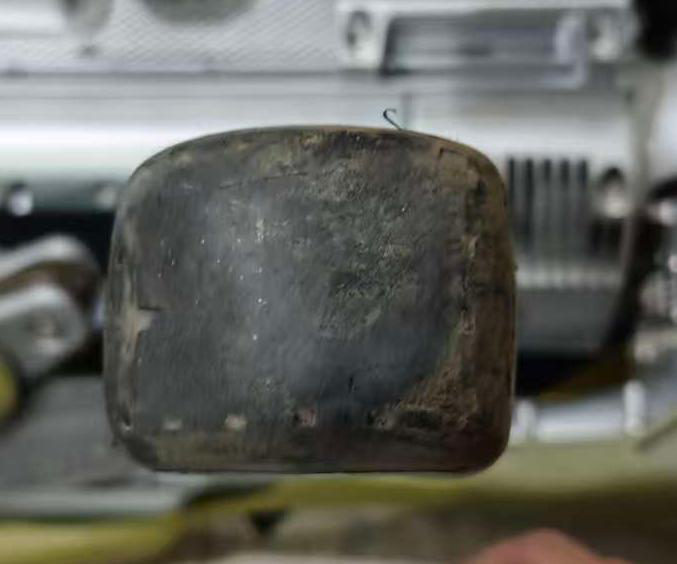
Foot pad wear in the field
Mainstream Material Options
Excellent wear and oil resistance; adapts well to rough ground or oily industrial environments.
Drawback: it tends to harden and become brittle at low temperatures, which reduces grip.
Good flexibility and a wide operating temperature range (−50 °C to 200 °C); extremely low ground-contact noise, suitable for quiet environments such as homes and laboratories.
Drawback: relatively poor wear resistance; not suitable for long-term use on rough pavement.
Strong overall mechanical properties; wear and tear resistance far superior to ordinary rubber, with outstanding cushioning and shock absorption. Suitable for robot dogs on complex outdoor terrain or requiring frequent jumping.
Drawback: poor hydrolysis resistance and UV resistance, and slightly inferior low-temperature flexibility.
Excellent elasticity and outstanding grip; suitable for dry, flat indoor floors.
Drawback: poor aging and oil resistance; tends to age and crack after long-term exposure to sunlight or oily environments.
Akron Abrasion Comparison
| Rubber type | Akron abrasion (cm³/1.61 km) |
|---|---|
| NBR | 0.1–0.2 |
| Q (silicone) | 0.5–0.8 |
| PU | 0.03–0.1 |
| NR | 0.2–0.3 |
| Rubber type | Akron abrasion (cm³/1.61 km) |
|---|---|
| Rubber 50# | 0.29 |
| Rubber 60# | 0.12 |
| ZL-PAD-70A | 0.03 |
| TPU sample | 0.05 |
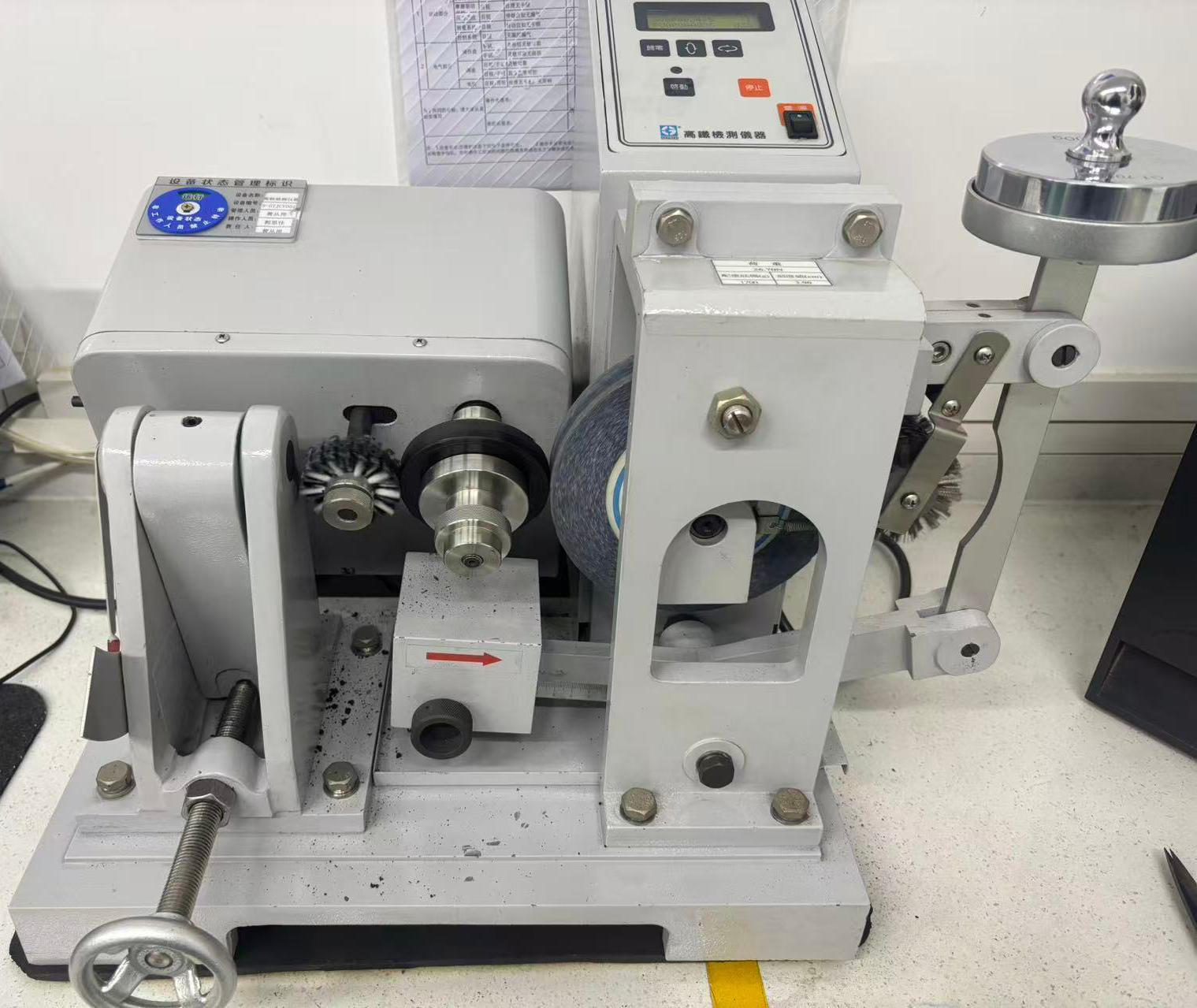
Test equipment: Akron abrasion tester, per GB/T 1689. ZL-PAD-70A: lowest abrasion loss.
Wet-Slip Resistance Comparison
| No. | Rubber type | 0 °C tan δ | Actual temperature point (C) | Remarks |
|---|---|---|---|---|
| 1 | TPU sample | 0.258 | 0.09 | |
| 2 | ZL-PAD-70A | 0.536 / 0.7 | 0.12 | ☆☆☆ |
| 3 | BH-M-NR70 | 0.137 | 0.11 |
Test equipment: DMA. A higher 0 °C tan δ value indicates better wet-slip performance.
With reference to the 0 °C tan δ test used for tire-tread wet-slip evaluation, the core conditions are defined by three key parameters - frequency, strain, and heating rate: 10 Hz, tensile mode, 0.3% strain, heating rate 3 °C/min, range −40 °C to 80 °C.
Frequency: fixed at 10 Hz - simulates the dynamic loading state of tread rubber at medium vehicle speed; the industry-standard frequency for wet-slip evaluation (recommended by ISO 4664-2 and ASTM D5992).
Strain / stress: small-strain mode - 0.1%-0.5% dynamic strain in tensile mode, or shear strain below 5×10⁻⁴ in shear mode, to keep the test within the linear viscoelastic range.
Temperature & heating rate: target temperature 0 C; if a temperature sweep is used for auxiliary verification, the heating rate is set to 2-3 °C/min over a range of −40 °C to 80 °C.
Material Selection Recommendation
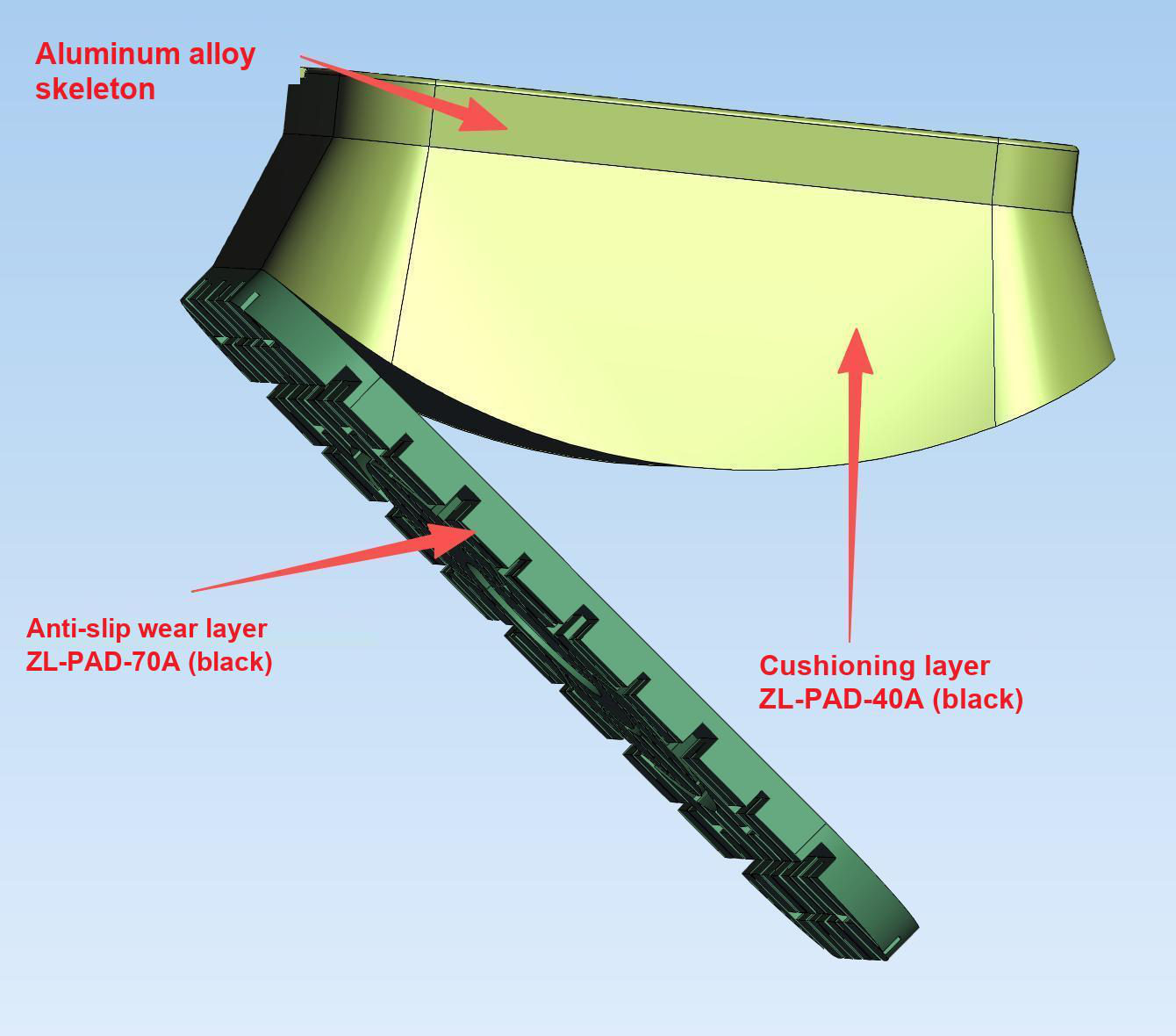
Foot pad cross-section: aluminum alloy skeleton (top), cushioning layer ZL-PAD-40A, wear-resistant anti-slip layer ZL-PAD-70A.
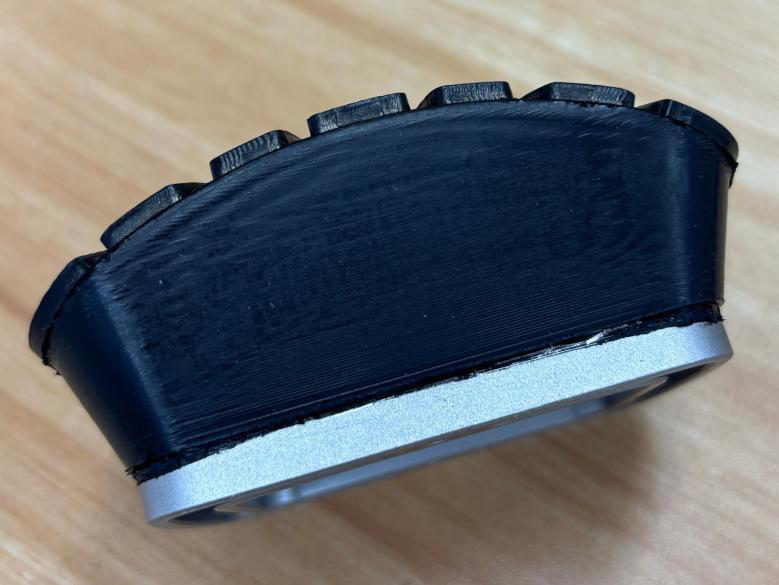
ZL-PAD foot pad product

Field test before installing our foot pads
Typical Product Performance
| Property | Unit | Typical value | Test standard |
|---|---|---|---|
| Color | / | BLACK | VISUAL |
| Base material | / | MODRUBBER | / |
| Density | g/cm³ | 1.2 ± 0.1 | GB/T 533 |
| Hardness | Shore A | 40 ± 5 | GB/T 39693.4 |
| Tensile strength | MPa | 8 | GB/T 528 |
| Elongation at break | % | 500 | GB/T 528 |
| Compression set, 70 °C × 24 h, type A, 25% | % | 20 | GB/T 7759 |
| Loss factor tan δ max | / | 1.2 | GB/T 9870.1 |
| Temp. range of tan δ > 0.6 | °C | −25 to 36 | GB/T 9870.1 |
| Temp. range of tan δ > 0.4 | °C | −50 to 48 | GB/T 9870.1 |
| Temp. range of tan δ > 0.3 | °C | −50 to 55 | GB/T 9870.1 |
| Recommended temperature range | °C | −45 to 140 | / |
| Property | Unit | Typical value | Test standard |
|---|---|---|---|
| Color | / | BLACK | VISUAL |
| Base material | / | MODRUBBER | / |
| Density | g/cm³ | 1.2 ± 0.1 | GB/T 533 |
| Hardness | Shore A | 70 ± 5 | GB/T 39693.4 |
| Tensile strength (min) | MPa | 10 | GB/T 528 |
| Elongation at break (min) | % | 300 | GB/T 528 |
| Compression set, 70 °C × 24 h, type A, 25% | % | 15 | GB/T 7759 |
| Loss factor tan δ max | / | 0.72 | GB/T 9870.1 |
| tan δ at 0 C | / | 0.70 | GB/T 9870.1 |
| Temp. range of tan δ > 0.4 | °C | −35 to 32 | GB/T 9870.1 |
| Temp. range of tan δ > 0.3 | °C | −50 to 48 | GB/T 9870.1 |
| Recommended temperature range | °C | −45 to 140 | / |
Notes: all data are typical laboratory test values; test-sheet vulcanization: 170 °C × 20 min, 10 MPa; DMA test conditions: 10 Hz, tensile mode, 0.3% elongation, heating rate 3 °C/min.
DMA Temperature Sweep Curves
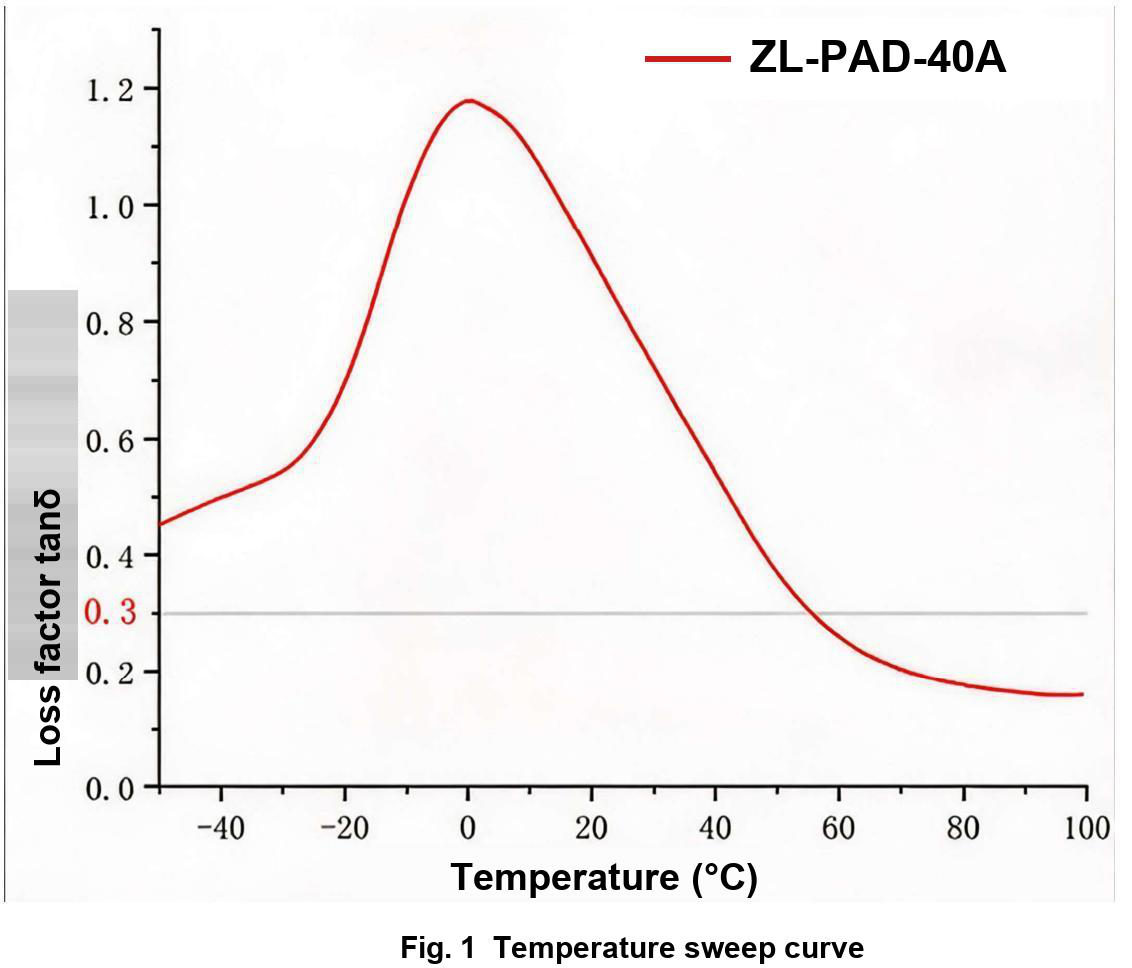
ZL-PAD-40A
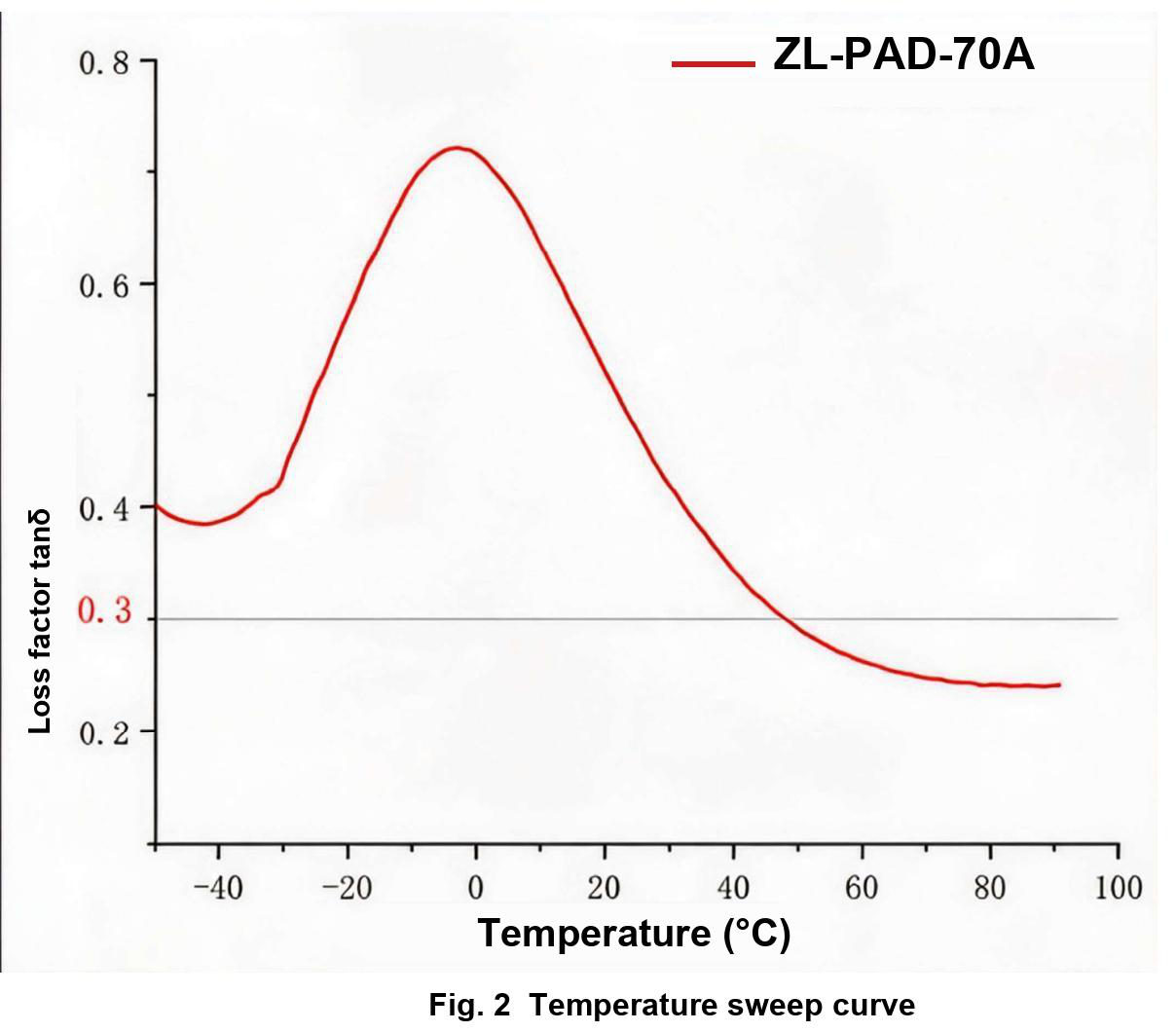
ZL-PAD-70A
Thank You!
Professional robot dog foot pad solutions - cushioning, anti-slip, wear resistance, quiet operation
Contact us for samples, customization and field-trial support.
Download ZL-PAD Brochure