Advanced RoboticsFootwear Solutions
Empowering Global Robotics Manufacturers
with Innovative Full-Chain Sole Solutions
Challenges and Solutions
We understand and have targeted solutions.
Difficult to fix, easy to fall off
Traditional adhesives or general-purpose foot pads are extremely prone to displacement and loosening under high-frequency vibration and impact loads, leading to unstable posture of the robot, walking deviation or even falls. Once the foot pads fall off, it will not only cause the whole machine to shut down, but may also damage expensive joint modules and sensors, resulting in high maintenance costs.
RobotSole adopts a composite wrapped structure and an integrated design of the foot sole plate (several patents have been applied for). It realizes glue-free fixation without relying on standardized interfaces, is firm and tight, and can withstand intense sports and long-time walking. The modular design greatly reduces maintenance costs, making sole replacement as simple and fast as changing a tire.
Lack of buffer, high noise
Ordinary rubber mats lack effective cushioning protection. The peak impact force when the robot's feet land can reach 2-3 times its own weight. This not only causes high walking noise, but also causes fatigue damage to core components such as joint modules and reducers, shortening the service life of robot components.
RobotSole has developed a double-layer gradient buffer structure + high-performance TPV damping material. Through the soft-hard layered energy absorption design, the impact force is dispersed step by step, which greatly reduces the walking noise of robots, meets the silent scene requirements of home and industrial environments, and effectively protects the joint modules and extends the overall service life.
Flat foot structure, poor passability
Most humanoid robots have flat-foot structures, making it difficult to adapt to terrains such as steps, slopes, gravel, obstacles and other terrain, with weak obstacle-surmounting ability and prone to tripping or getting stuck on complex road conditions. This severely limits the application of robots in real scenarios such as outdoors, workshops and indoor spaces, leaving them only able to stay in flat laboratory environments.
RobotSole adopts a front-rear warped design and bionic shape suitable for robot soles, which not only significantly improves the passability on complex roads, makes the robot's feet more aesthetically pleasing, but also more in line with the general human aesthetics.
The anti-slip and wear-resistant performance is insufficient.
Ordinary rubber shoe soles are extremely prone to slipping in scenarios such as wet, oily, and sloped conditions, posing serious safety hazards. Meanwhile, the mainstream wear-resistant service life is only 2000-3000 hours, which is far lower than the 10000-hour-plus usage requirements in industrial scenarios, and frequent replacement affects production efficiency.
RobotSole adopts sole structures and texture designs tailored for different scenarios. Combined with features including slip resistance, wear resistance, high and low temperature aging resistance, anti-static, oil and water resistance, and targeted hardness gradient adjustment, it maintains excellent grip even in various complex scenarios, extends its wear life to over 8000 hours, and is particularly suitable for various harsh industrial and field standards.
Wide range of models, fast renewal, lack of standardized accessories for the foot sole
There are numerous types of robots, with fast updates and upgrades and diverse application scenarios, which leads to a large number of supporting molds with different interfaces, high costs, difficult maintenance, poor interchangeability, and it is also difficult to quickly replace standardized foot soles according to the needs of different users.
RobotSole launches the integrated standard foot module system made of carbon fiber and TPV. It will support unified mechanical and electrical interfaces in the future, and allows on-demand selection and rapid expansion. It has shifted from the "customized for each product with repeated mold opening" model to the "standard selection, plug-and-play" model, greatly reducing supply chain complexity and promoting the industry's standardization process.
The contradiction between lightweight and high strength
Currently, the commonly used metal foot sole structures cannot be integrated with rubber and foamed cushioning sole materials, requiring screw fixation and being relatively heavy. The ultra-thin design is prone to fatigue fracture, making it difficult to balance lightweight and high strength, which has become a key bottleneck restricting the performance improvement of robot foot soles.
RobotSole adopts integrated carbon fiber molding + topology optimization design. The structure is reinforced in key load-bearing areas and extremely thinned in non-load-bearing areas, achieving "strength where it needs to be strong, lightness where it needs to be light". It reduces weight by 40-60% without sacrificing strength, completely solving the industry dilemma of "soft when light, heavy when rigid".
The Importance of Soles in Motion
Why Choose RobotSole?
In the traditional sole manufacturing industry, we understand the needs of robotic feet best.
Among the suppliers of robot foot soles, we have the most professional and complete industrial chain.
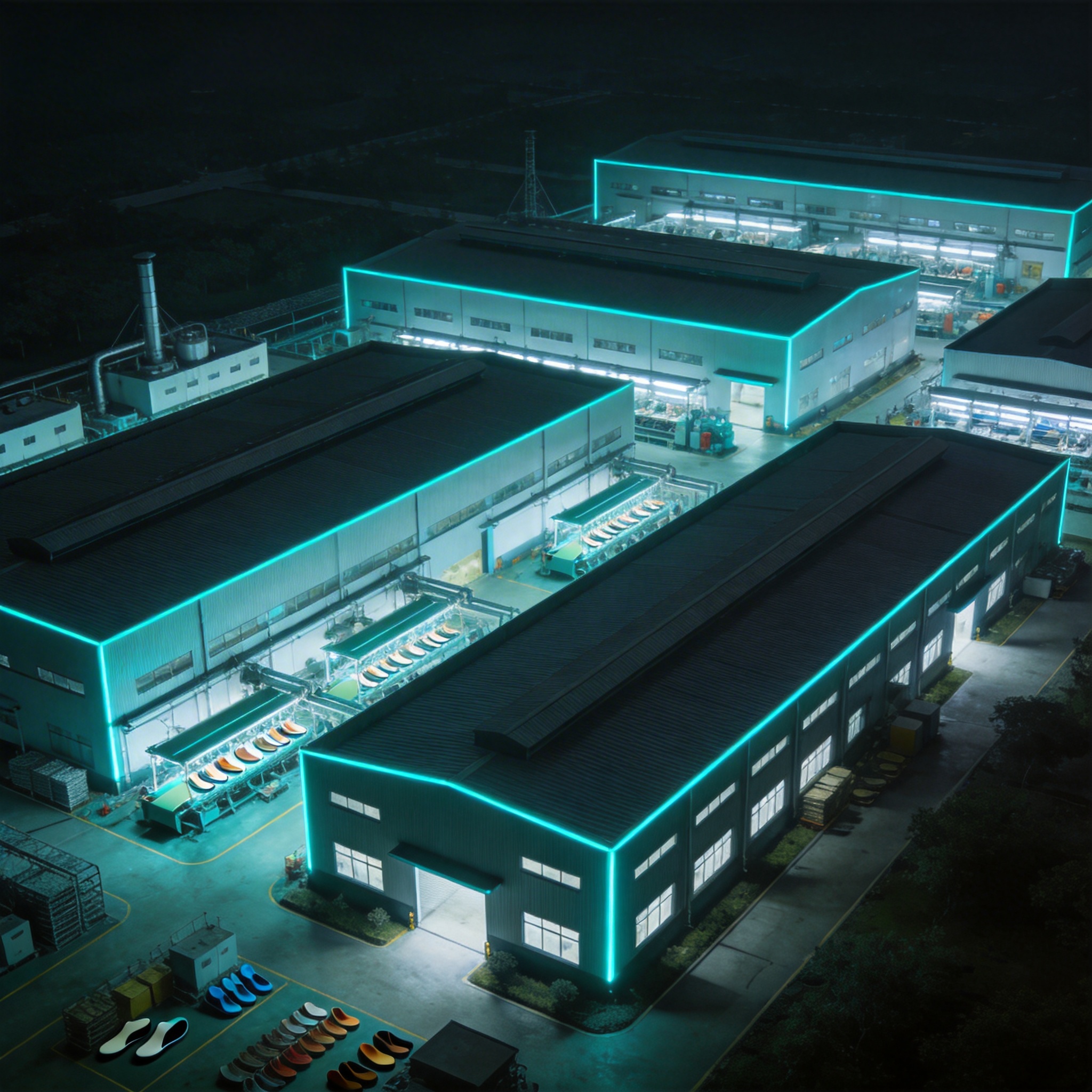
Headquartered in Shenzhen, with two industrial chains in the north and south.
Headquartered in Shenzhen, a frontier hub of science and technology, we have established complete industrial chains for development, inspection and production across both northern and southern China, with timely services, stable production capacity and reliable delivery.
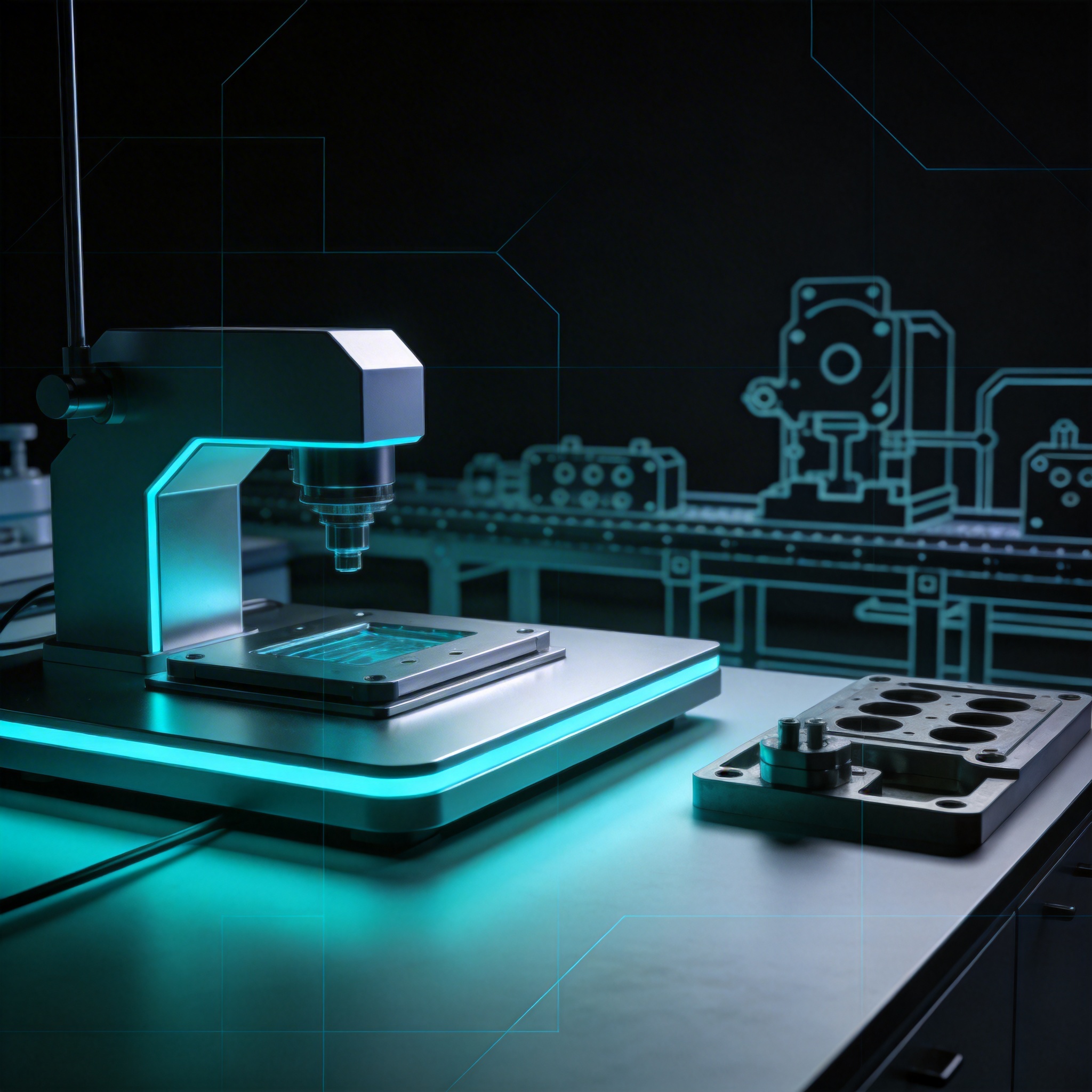
30 years of shoemaking experience, with practical plan verification
With 30 years of experience in shoe manufacturing, accumulated data on smart shoes and foot shape big data, as well as years of joint exploration and growth with leading robotics brands, the solution has been tested in actual operations.

Strategic partnership with Dawn Co., Ltd. (002838)
We have reached a strategic cooperation with Daen Polymer Co., Ltd. (stock code: 002838), a listed company. We have specially developed TPV series sole materials for robot soles, and combined with continuous carbon fiber 3D printing technology to meet the integrated, standardized and personalized requirements of robot soles.

Full-process automated control industrial chain
From providing free test samples in the initial stage to targeted development, testing and mass production in the later stage, the entire-process self-controlled industrial chain ensures that the products developed by customers can be safely and stably supported under the premise of safety and confidentiality.
Robot Dual-Density Bionic Shoe · Process Roadmap Overview
Dual-density rubber outsole + plain black PU upper, integrated injection molding
Design, Development & Structure Finalization
Customer 3D data · joint developmentCustomer provides 3D data
Including built-in aluminum plate data · exterior + internal structure
Joint modification & development
Exterior optimization · internal structure adjustment · material plan confirmation
Final structure finalized
Exterior + internal structure + materials · three-party sample sign-off
Mold programming & design
Upper mold programming & design
Mold Development & Trial Molding
Rubber steel molds + PU injection moldsMachine rubber molds
Dual-density outsole steel mold
Machine PU injection molds
PU upper steel mold
Set up mold archives
Mold material machining
Mold closing & assembly
Trial molding validation
Teflon electroplating finish
Teflon coating on mold surface · anti-stick · easy demolding
Outsole Production & Testing
Dual-density rubber outsoleOutsole factory production
Dual-density rubber vulcanization · wear-resistant outsole + cushioned midsole
Outsole finishing
Edge trimming & deburring · color fixing · dimension & appearance inspection
Material & slip-resistance testing
Raw material property tests · slip friction coefficient test · abrasion test
Factory lab issues report
Official test report issued · with test data and conclusions
PU Integrated Injection Molding
Plain black upper · outsole + upper molded as one pieceOutsole loaded into PU mold
Rubber outsole positioned in mold · built-in aluminum plate inserted simultaneously
PU integrated injection molding
Black PU material injected into cavity · plain upper formed in one shot · outsole fused with upper
Demolding & trimming
Cooling & demolding · edge trimming · flash removal
Surface Finishing & Final Inspection
Logo printing · final inspectionLogo printing
Brand logo pad/silk-screen printing · position and color confirmation
Final inspection & packaging
Appearance · dimensions · adhesion · full inspection before packaging
Key Process Highlights
Dual-density rubber outsole
Wear-resistant outsole rubber + cushioned midsole rubber, vulcanized as one — combining grip with shock absorption
Teflon electroplating
Teflon coating on the mold surface reduces demolding resistance and improves product surface finish
Integrated injection molding
The rubber outsole is pre-loaded into the PU mold; injected PU fuses physically with the outsole — no adhesive, stronger structure
Factory lab testing
Three tests — material properties + slip friction coefficient + abrasion — with an official test report
Products We Serve
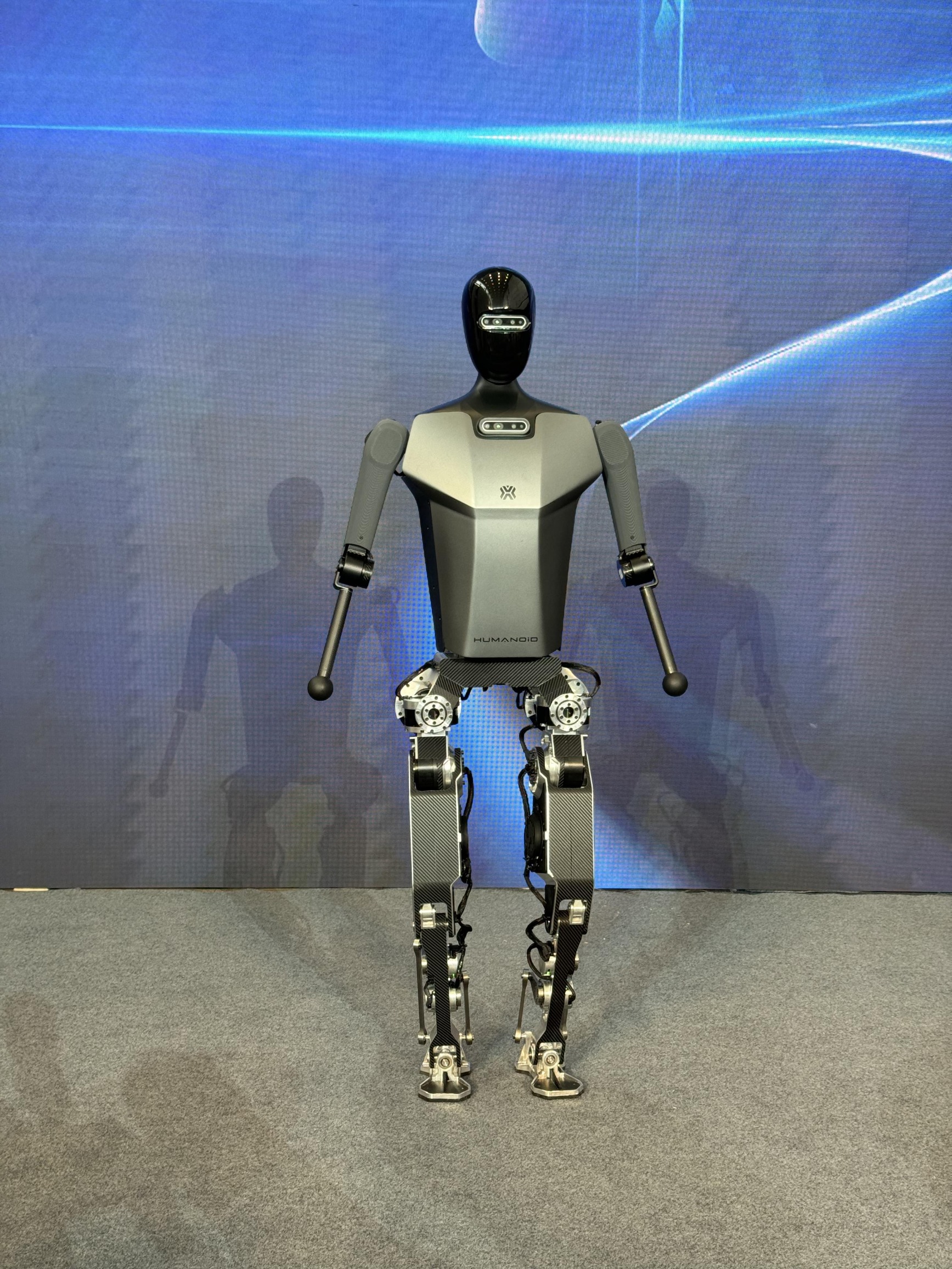
Humanoid Robots
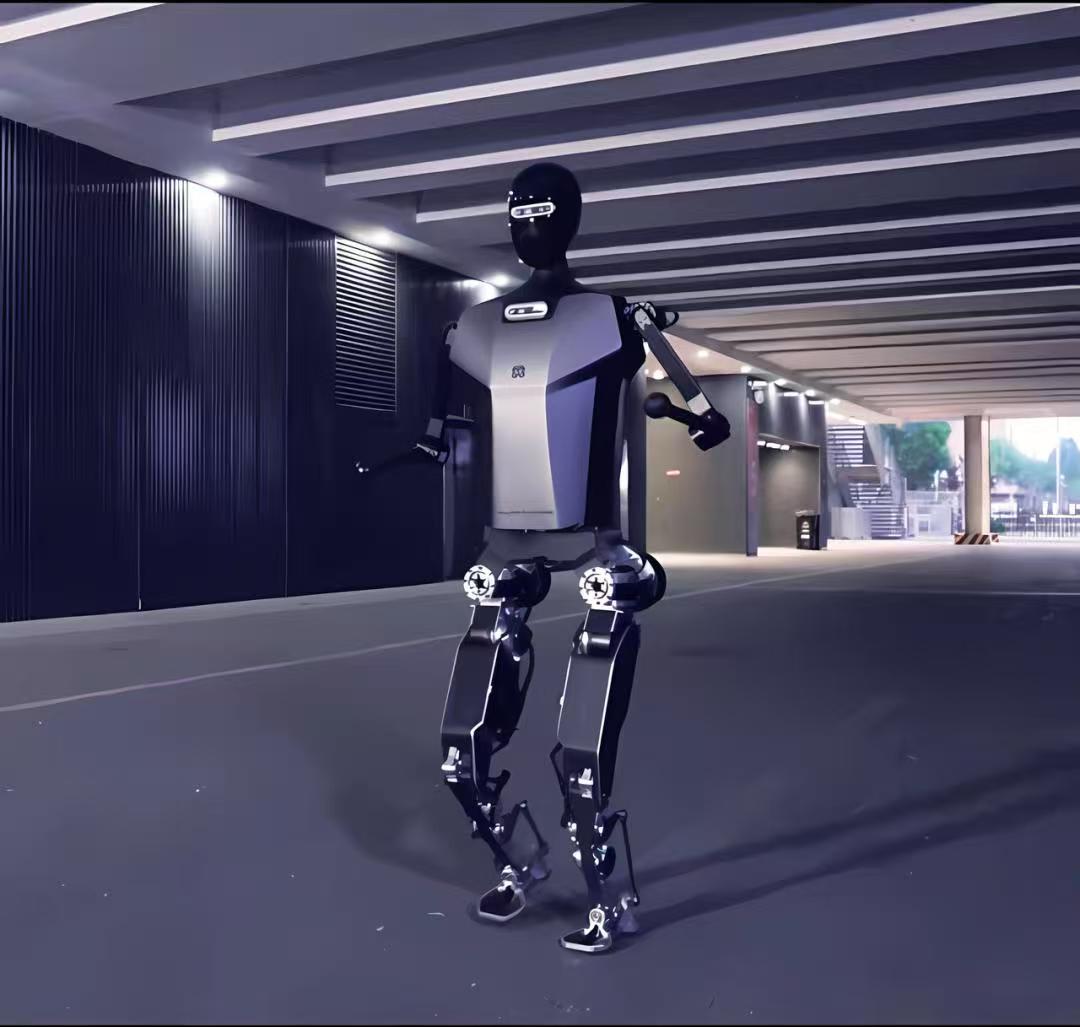
Home Robots
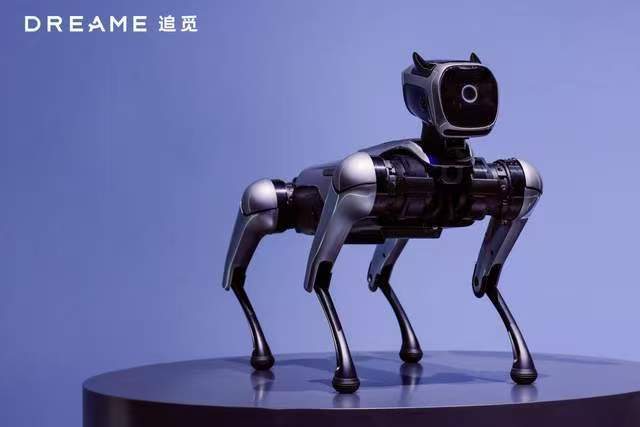
Robot Dogs
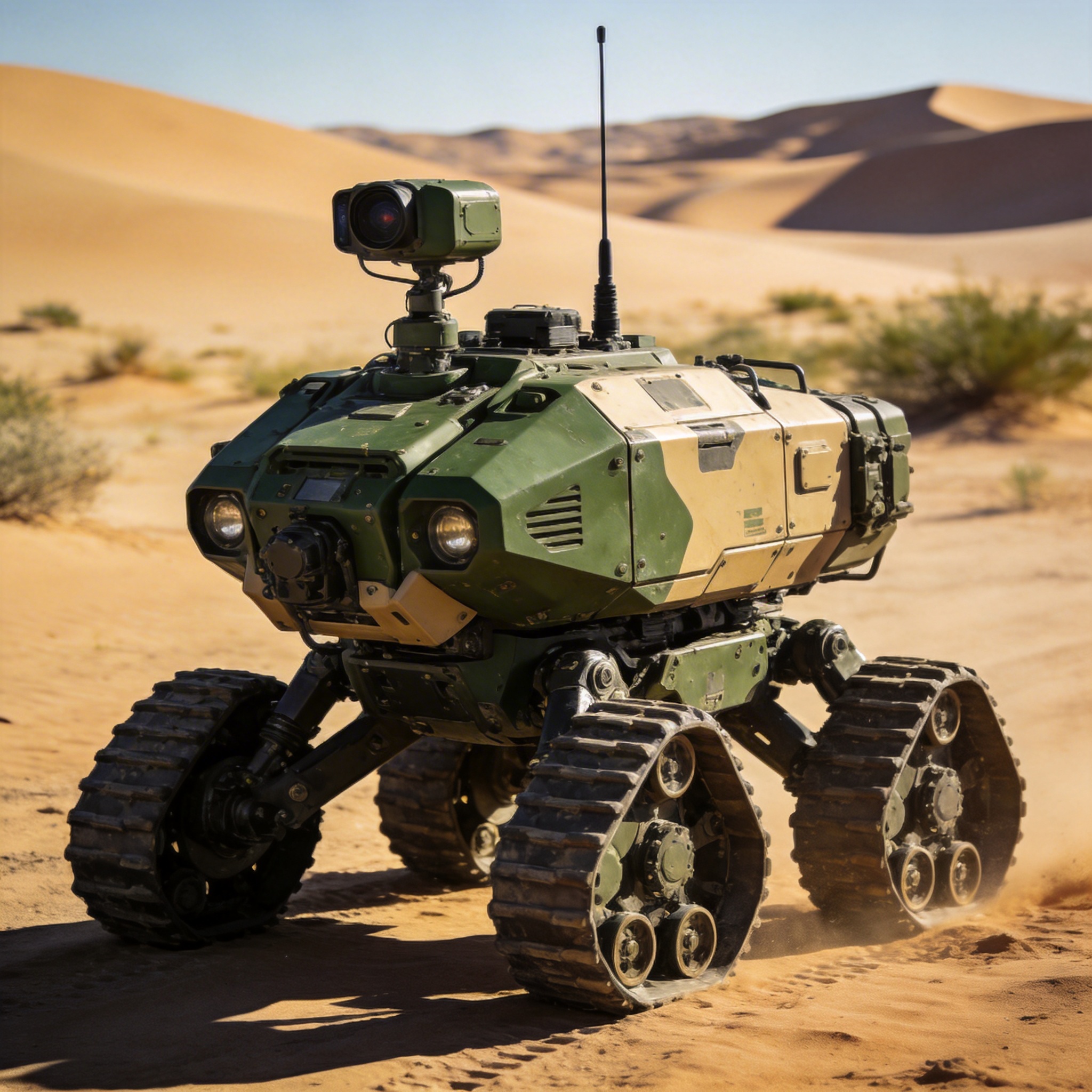
Military Robots
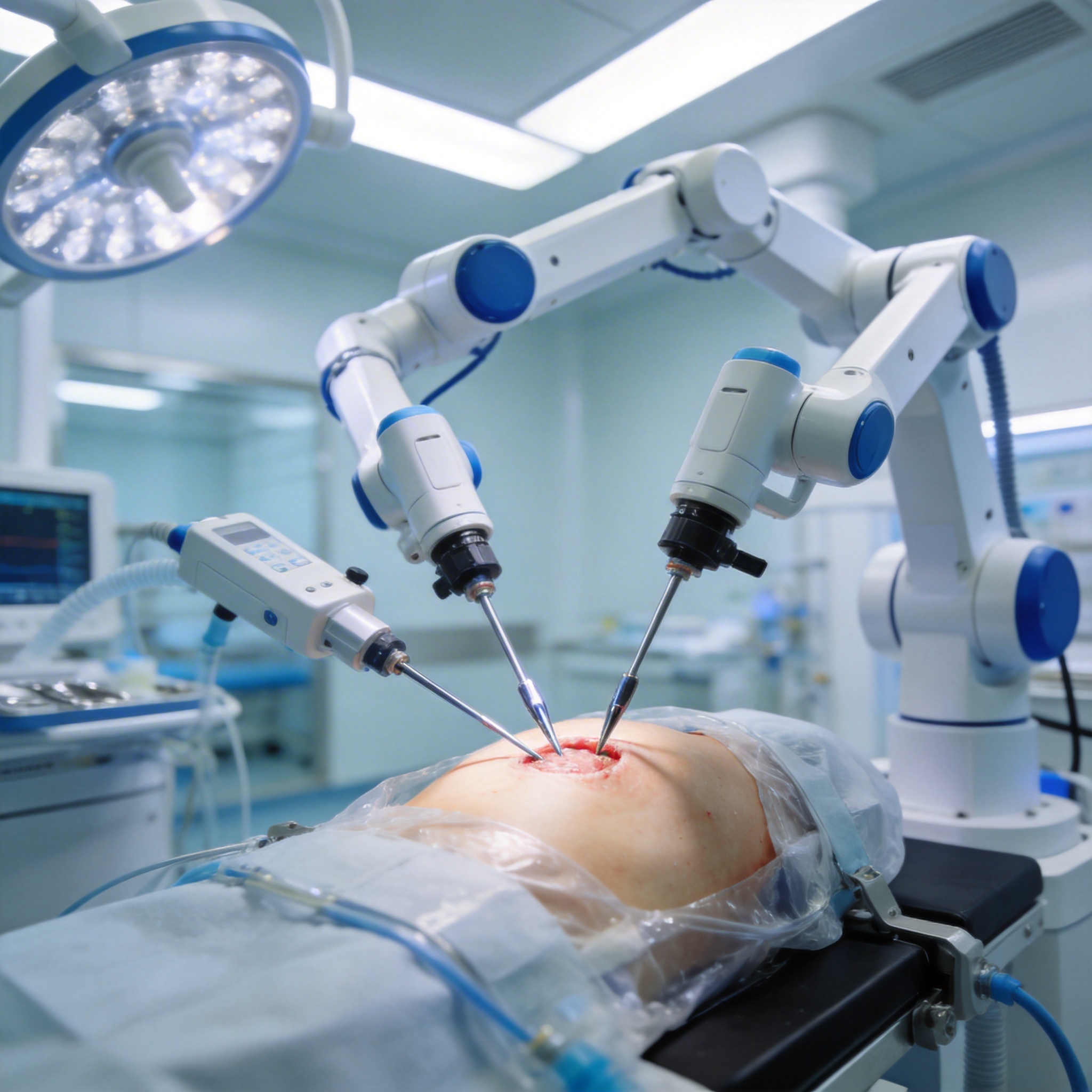
Medical Robots
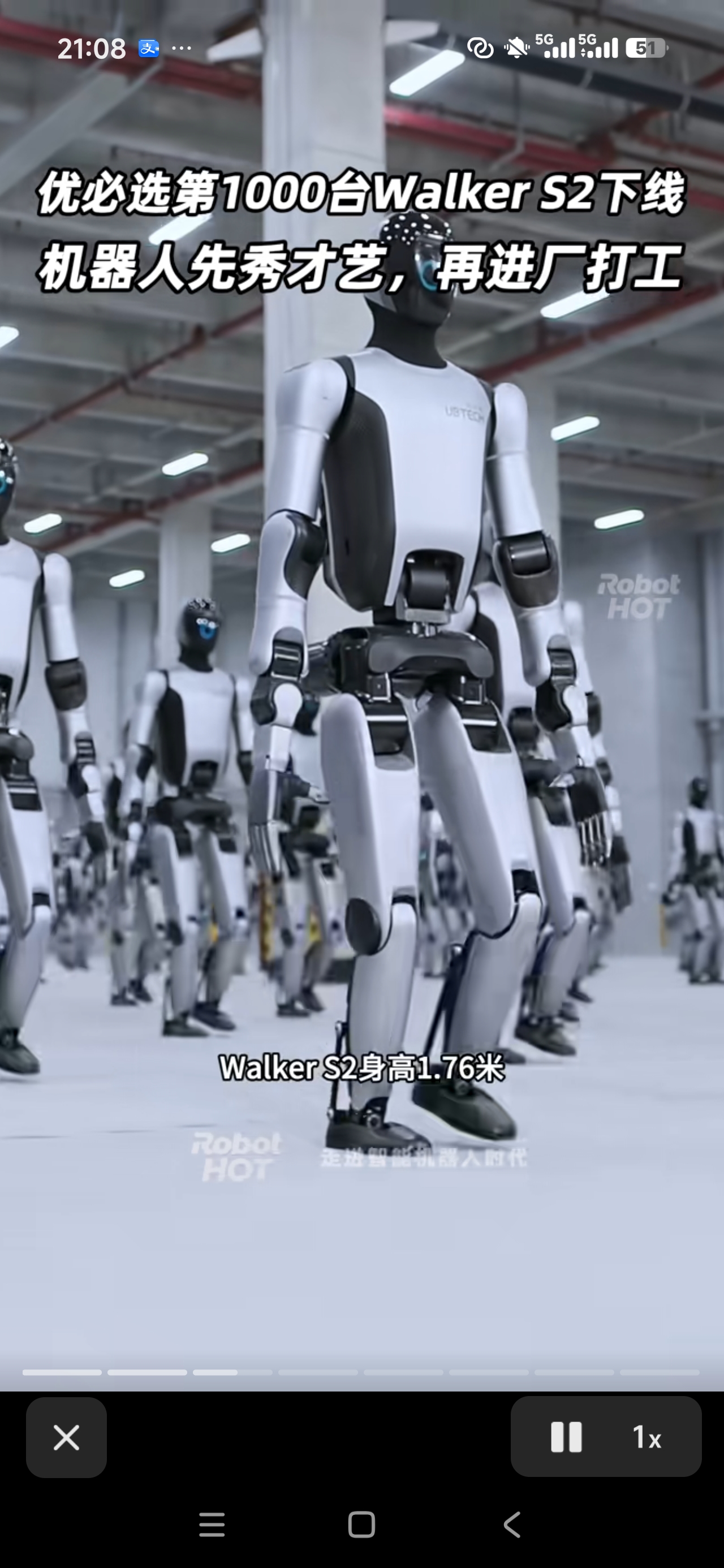
Industrial Robots
Patents & Technical Data
Access our patents, technical documentation, and product specifications.

Frequently Asked Questions
Find answers to common questions about RobotSole robot sole solutions
Chen Weidong (Michael Chen) | Founder of RobotSole, graduate of Beijing Foreign Studies University with fluent English proficiency. With over 30 years of experience in sole R&D, production and management of large-scale footwear enterprises, he has served as CEO of a joint-venture sole company and deputy general manager of a footwear group. He once went to Italy to study sole standardization technology, and deployed digital factories in multiple overseas countries; he cooperated with Microsoft on foot shape big data, focused on 3D scanning and smart shoe R&D, and is a compound expert spanning footwear manufacturing technology, plantar database and 3D printing. Founded RobotSole in 2024 to build a domestic full-industry-chain robotic plantar solution. - Personally wrote 108 technical articles on robotic plantar technology published on major technical forums; - Owns more than 30 sole patents, nearly 10 special patents for robotic plantar technology, and reserves multiple cutting-edge technologies; - Strategically partnered with Dawn Material Co., Ltd., relying on robotic plantar database and carbon fiber printing technology to support standardized and customized development; - Serves multiple leading domestic humanoid/quadruped robot enterprises, with solutions iterated through multiple rounds of actual tests.
1. Cross-disciplinary Composite Technical Barriers We combine an understanding of robot walking dynamics with 30 years of shoemaking expertise - a rare two-way composite capability in the industry. We solve industry pain points in one stop, including sole detachment, insufficient cushioning, poor terrain passability, weak anti-slip and wear resistance, lack of industry standards, the conflict between lightweight design and high strength, and bionic personalization, meeting the plantar development needs of various robots efficiently, cost-effectively and stably. 2. Supply Chain and Asset-light Delivery Capability Our north-south partner factories cover a total area of over 70,000 m2 and support multi-material production; we have established a strategic material partnership with the listed company Dawn Co., Ltd. We have integrated the full process from development, testing and mass production to technical support, with complete process capabilities including 3D scanning design, mold making, carbon fiber 3D printing, CNC engraving and composite injection molding - able to undertake small-batch prototype development as well as large-scale mass production delivery. 3. Dual Moat of Data + Patents Building on accumulated human foot shape big data, plus massive real-world robot plantar test data obtained through joint R&D with leading robot companies; we hold dozens of sole patents and special patents for robot soles, excelling in the design, R&D and manufacturing of bionic soles. We continuously invest in cutting-edge robot plantar technologies, driving the industry toward standardization, intelligence and personalization. 4. Customer and Client-Acquisition Advantages We have conducted joint R&D with many leading domestic humanoid and quadruped robot companies, with product solutions iterated over multiple rounds under real working conditions, covering various robot application scenarios; we continue to win customers through solid technical strength and market reputation.
Ordinary robot soles are usually single-layer polyurethane / rubber pads: they detach easily, offer poor cushioning, and leave no room for sensor integration; every model iteration requires repeated mold making, putting pressure on both cost and after-sales service. The RobotSole multi-layer composite integrated sole: ✅ Bottom layer: wear-resistant and anti-slip rubber for strong grip in complex environments ✅ Middle layer: Dawn custom TPV foam for lightweight design, cushioning and noise reduction ✅ Top layer: continuous carbon fiber base plate with standardized quick-swap design, adaptable to multiple robot models ✅ Reserved sensor slots and hidden wiring for intelligent perception expansion
We focus on humanoid robots, industrial robots, quadruped robots, and special robot foot pads and supporting foot products R&D. We focus on robot brand customers and main robot production factories, especially welcoming cooperation with robot research institutions, testing organizations, and standard-setting organizations. With "standardization, practicality, and adaptability" as core values, we provide high-quality foot solutions for global robot enterprises, helping robots improve mobility stability, durability, and scenario adaptability.
Ready to Transform Your Robotics Solutions?
Contact our team to discuss your specific requirements and discover how RobotSole can enhance your robotics applications.